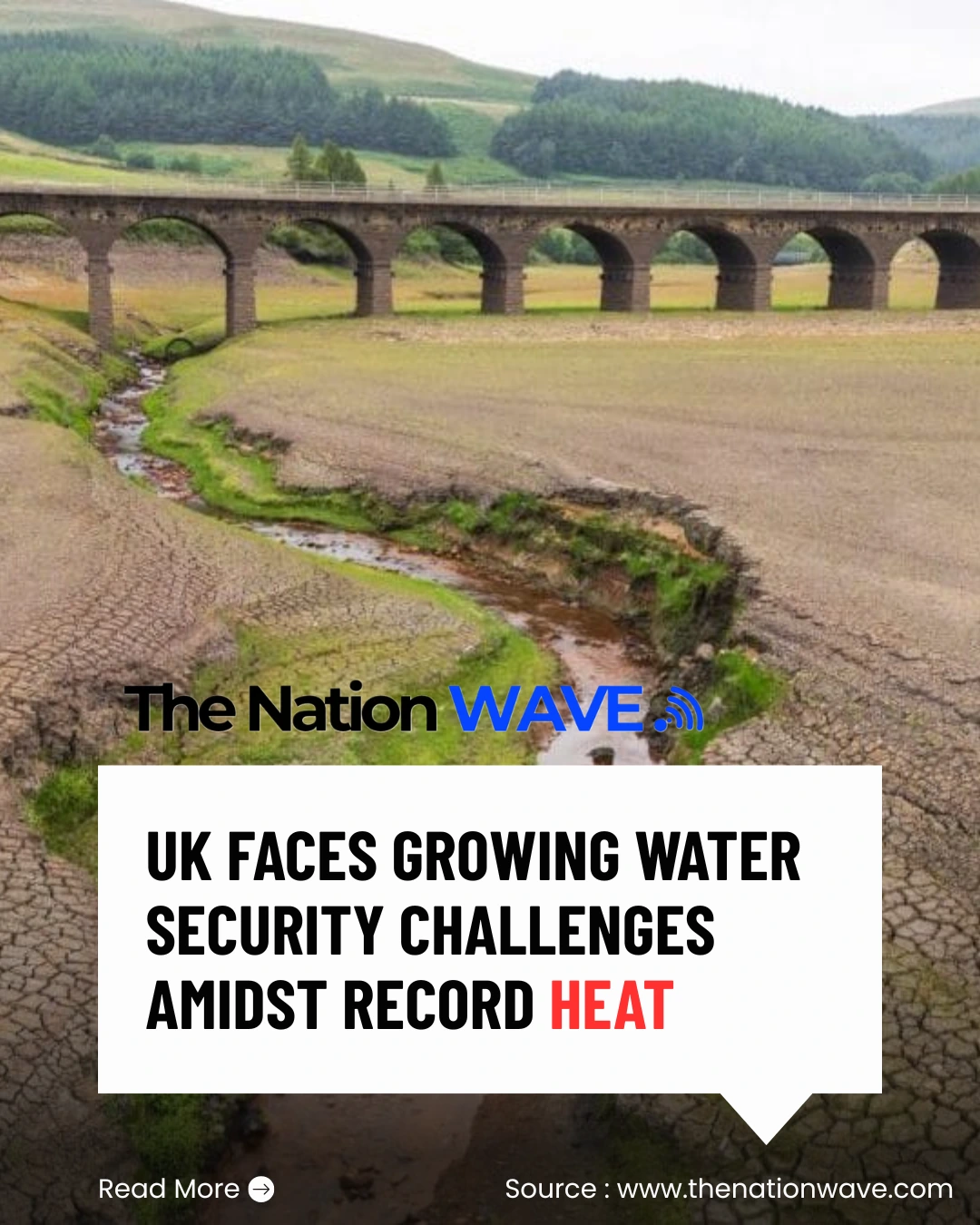
UK Faces Growing Water Security Challenges Amidst Record Heat
As the United Kingdom grapples with exceptionally hot and dry summer conditions, the question of water security has moved to the forefront of national concern. While the country is not currently facing an immediate total depletion of water, experts warn that the combination of climate change and rising demand is creating a precarious long-term outlook.
Current Crisis Indicators:
Government bodies, including the National Drought Group, are monitoring key metrics as traditional water sources strain under the pressure of prolonged dry spells:
- River Levels: Only 13% of rivers are currently at normal levels for this time of year.
- Reservoir Storage: National storage levels have dipped to 5% below the long-term average.
- Infrastructure Strain: Reservoirs essential for both power generation and public drinking water supply are under significant stress.
Immediate Impacts:
The impact of this dry weather is already tangible for millions of residents and businesses:
- Consumer Restrictions: Over 20 million customers have been affected by temporary hosepipe bans.
- Agricultural Distress: Farmers report early harvests, failed crops, and critical water shortages for livestock, which threatens regional food security and grain supply chain costs.
The Future Outlook:
Looking ahead, the challenge is set to intensify. Projections suggest that by 2055, England will require an additional 5 billion liters of water daily to satisfy demand. Potential solutions under consideration include:
- Infrastructure Investment: Increased funding for 10 new reservoirs and the exploration of desalination technology to process seawater.
- Conservation Efforts: Encouraging the adoption of water meters, which data suggests can reduce individual household water consumption by nearly 30%, from 171 liters to 122 liters per person per day.
While the Met Office notes that drought conditions can fluctuate, the report underscores that moderate, consistent rainfall is needed to truly replenish water stocks, as short, heavy downpours often struggle to penetrate dry, hard ground, risking flash floods instead.